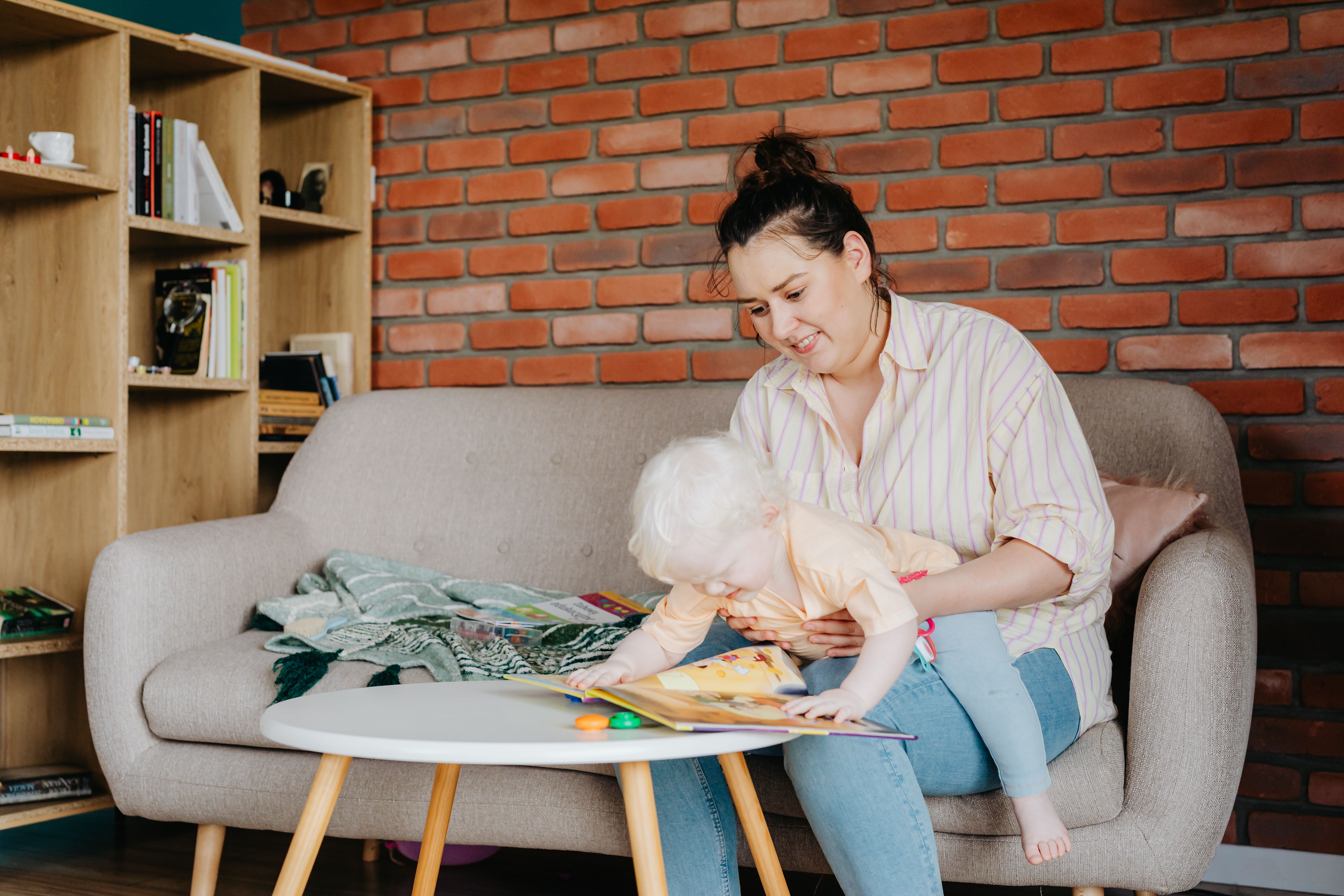
The families who travel well with children don’t just have great kids. They’ve figured out the logistics that most people only think about after they’ve gotten them wrong.
Traveling with children has a reputation for being exhausting, chaotic, and somehow less restful than staying home. That reputation is earned — by families who booked the beautiful room without thinking about where the baby would sleep, who didn’t figure out the feeding plan until they were at 30,000 feet, who arrived somewhere unfamiliar with three children and no clear plan for who was doing what.

The same trips, taken by families who thought them through in advance, look completely different. Not because the children are different. Because the preparation was.
This guide covers the decisions that have the highest downstream impact: where you stay, how you protect sleep, how to think about childcare support on the road, and what to have ready before you leave. All of it is here.
Where You Stay Changes Everything
Accommodation is the decision with the highest downstream impact on every other part of a family trip. Get it right and the rest of the trip has a foundation. Get it wrong and you’re managing the consequences for the whole stay.
Space is a functional requirement, not a preference
A hotel room that works for two adults does not work for a family with young children in any but the most temporary way. What you actually need is enough physical space for everyone to decompress without being on top of each other. For families traveling with an infant, that means a space where the baby can sleep separately from the adults — even if “separately” means a walk-in closet with a travel crib.

When you’re booking, call and ask specifically. Don’t rely on floor plan diagrams. Ask what the suite configuration actually looks like, and whether there’s a space where a pack and play could go that isn’t the main sleeping area. The properties that handle families well will have an answer. The ones that don’t are telling you something.
Rental properties: the case for a real home base
For trips of more than a few nights — or for families with more than one child — a rental property almost always provides a better functional environment than a hotel room. A kitchen means you can manage feeding on your own schedule. Multiple bedrooms mean real separation between children and adults. A living room means someone can be awake without disturbing everyone else.

If you’re traveling with a caregiver — a nanny, an au pair, a trusted family member who is there to help — a rental property with private bedrooms for everyone is what makes the working dynamic actually functional.
Hotels: when the service infrastructure is worth it
A well-chosen hotel suite has genuine advantages that a rental doesn’t. Twenty-four-hour front desk, room service at 11pm when the baby is finally asleep and you realize you’ve forgotten to eat, a concierge who can solve problems without you having to figure it out in a language you don’t speak. For short stays in cities, or destinations where the hotel pool is a real asset for the children, hotels can be the stronger choice.

Properties like Four Seasons, Aman, and Rosewood consistently offer suite configurations and family-oriented infrastructure worth researching. Call ahead, explain that you have young children, and ask what they can actually accommodate.
The Sleep Environment Is the Most Portable Thing You Own
Young children sleep better in familiar conditions than in optimal conditions. A baby who sleeps reliably at home because of a consistent environment, a specific routine, and a dark quiet space can sleep just as reliably on the road — if you bring those conditions with you. The families who figure this out stop dreading the sleep question entirely.
The SlumberPod: the single most impactful piece of travel gear
The SlumberPod is a blackout canopy that fits over a pack and play or travel crib and creates a dark, contained sleep space regardless of what’s happening in the room around it. It has ventilation, a small interior light for nighttime checks, and packs into a carry-on bag. Hotel blackout curtains are inconsistent. Rental properties are even more variable. The SlumberPod eliminates this variable entirely and, once you’ve used it, becomes a permanent part of your travel kit.
White noise: a machine, not an app
Hotel rooms have ice machines, thin walls, HVAC systems that cycle on and off at 3am, and hallway noise that arrives at inconvenient moments. A dedicated white noise machine travels far better than any phone app because it doesn’t drain a battery and doesn’t get interrupted by notifications. The Hatch Rest Go is compact, has a soft glow for night feeds, and connects to an app for remote adjustment. The Dohm is analog, masking-focused, and beloved by sleep professionals for its consistent performance. Or you can grab it's mini version, the Rhom, our makreting director, Reagan, bought one when her son was born 8 years ago and as of the writing of this blog, he still uses itevery single night and it haven't failed us yet!
Whichever one you grab, they're worth packing on every trip.
Bring the sleep cues, not the sleep schedule
Young children build associations between cues and sleep — and those associations are portable even when the environment isn’t. The same swaddle, the same sleep sack, the same sequence of events before sleep tell a baby’s nervous system that what comes next is rest.

You can’t fully replicate your home sleep environment on the road, but you can bring the signals that matter most. And good news is, they’re usually far simpler than parents expect.
Thinking About Whether to Bring Childcare Support
This is the question that can transform what traveling with children looks like for a family — and one that a surprising number of families either don’t consider at all, or dismiss before they’ve really thought it through.
Having dedicated childcare support on a trip is not about outsourcing your parenting. It’s about having a professional whose role is to ensure the children are cared for so that everyone on the trip — parents included — can actually be present for it. The family who arrives home from a week abroad genuinely rested is usually the family who was thoughtful about this.
What childcare support on a trip can actually look like
The range is wider than most families realize. At the simpler end: a trusted local babysitter for a few evenings so the adults can have dinner. A bit further: a trusted regular babysitter who comes along specifically for the trip. Further still: a professional travel nanny who travels as part of your regular childcare arrangement or is placed specifically for this trip. And for families whose travel is a core part of their lifestyle: a dedicated travel nanny or ROTA team who moves with the family year-round.

None of these is the right option for every family or every trip. The question to start with is simpler: what would it look like if I weren’t the only adult responsible for the children for the entirety of this trip?
The specific value of a travel-ready professional
For families who travel often, or who are planning a trip with significant complexity — an international destination, young children at a demanding developmental stage, a trip where parents will be at least partially working — a professional travel nanny brings something that informal support doesn’t: the specific experience of functioning well with children in environments that weren’t designed for them.
An experienced travel nanny has navigated delayed flights, managed sleep in eight different hotels, figured out pediatric care in foreign healthcare systems, and kept children engaged and secure across time zones and cultural transitions. That experience isn’t just practical — it’s the difference between a caregiver who needs managing on a complicated trip and one who makes the trip less complicated.
The most common thing we hear from families who have traveled with a professional for the first time: they wish they’d done it earlier.
If You’re Bringing a Caregiver: Set the Trip Up So It Works
Whether you’re bringing a regular nanny on a trip for the first time or you’re experienced with this arrangement, the families who travel most smoothly with a caregiver share one consistent habit: they have the important conversations before they leave, not during.
On-duty and off-duty, explicitly
At home, the end of the working day is managed by geography — the nanny leaves, and everyone knows what that means. On the road, you’re sharing a villa or a hotel suite, and the boundary between working and not-working becomes genuinely ambiguous without a conversation. What time does the nanny’s day start and end? What does “on call” mean in the evening? What happens when a flight delay turns a scheduled travel day into a twelve-hour ordeal? These questions have no wrong answers — they just need answers, and the right time to have them is not in the middle of the situation.
Travel day compensation
Travel days are working days, and how they’re compensated should be in the work agreement before the first trip. Whether that’s a flat day rate, guaranteed minimum hours, or regular hourly with a floor — both parties should know before anyone boards a plane.
Private space for the caregiver
A caregiver without adequate private space during a trip is a caregiver accumulating a deficit that shows up in energy and engagement. Private means a room with a door that closes — not a pull-out sofa in the children’s space. Factor this into accommodation planning before you book.
Documentation and Medical Preparation
This is the area where families are most likely to discover what they haven’t thought about — ideally at home, not in a foreign emergency room.
Children’s travel documents
Passports with sufficient remaining validity — many countries require at least six months beyond the travel dates. If only one parent is traveling with the children, a notarized letter of consent from the absent parent is required by many countries. If a caregiver is traveling with the children independently, the documentation requirements are more involved. For any international trip with a caregiver, a conversation with an immigration attorney about the specific requirements for your destinations is a worthwhile investment.
Medical information, organized and accessible
Your pediatrician’s contact information. Insurance documentation. A list of current medications with dosages and generic names — particularly important internationally, where brand names differ by country. Any allergy information in written form. For destinations where the language is different, a brief translated card with key medical information can make an enormous practical difference.

Travel health insurance that covers the whole traveling party for the specific destinations on your itinerary is non-negotiable for international travel with children. Confirm coverage specifically includes pediatric care and, if relevant, medical evacuation.
Getting There: Making Transit Work
Strollers that actually travel
For infants, any stroller needs to fully recline — newborns and young babies should not be seated upright for extended periods. The Stokke YOYO 3 with the newborn pack fits in an overhead bin, handles most urban environments well, and has become the benchmark for infant travel strollers.
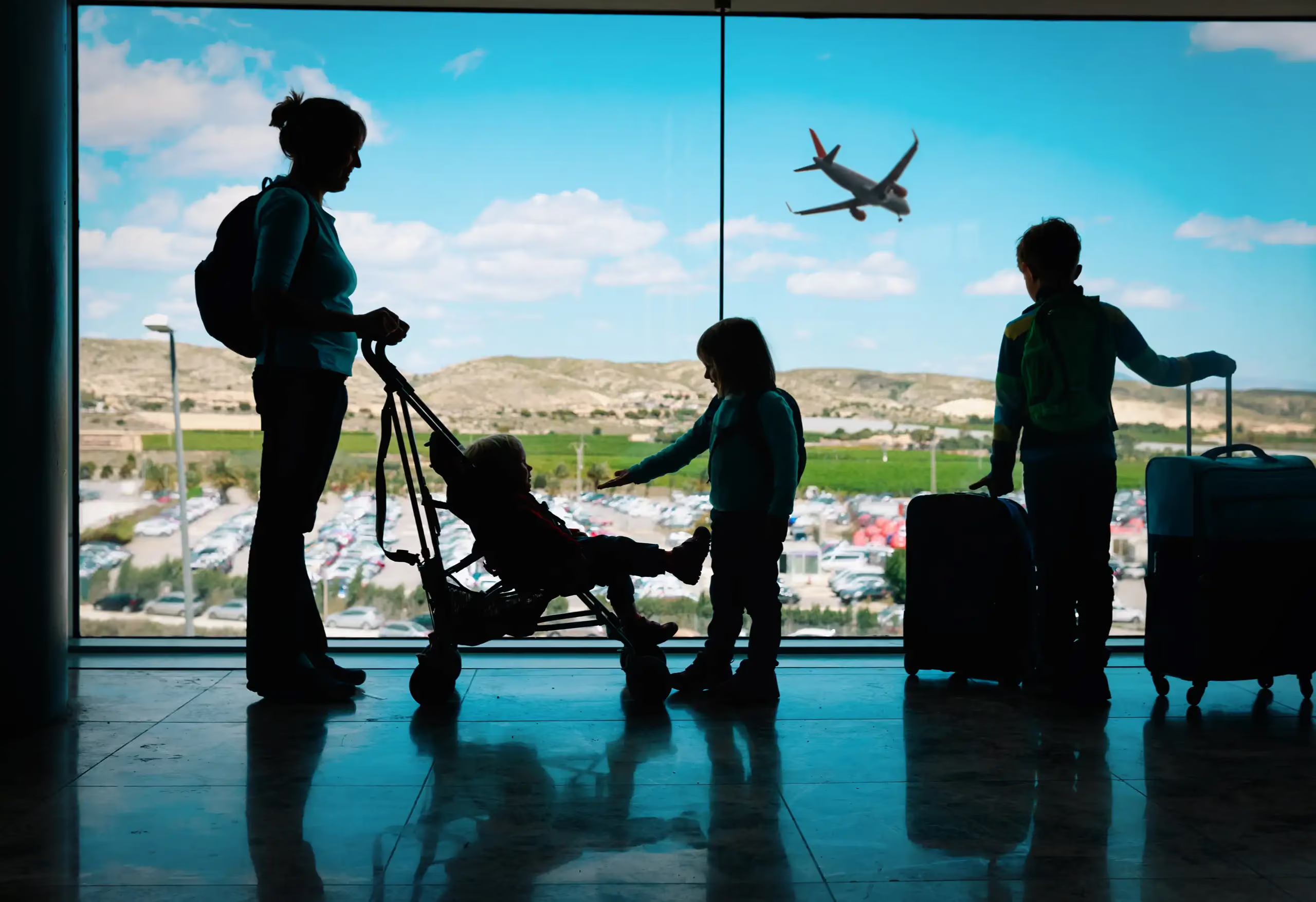
The Bugaboo Butterfly is a strong compact alternative. For destinations with more challenging terrain — cobblestones, trails, uneven surfaces — the Bugaboo Fox or UPPAbaby Vista is more capable.
Car seats: bring your own or rent smart
The Nuna PIPA series is a gold standard for infant car seats that travel well — lightweight, rigorous safety ratings, compatible with most major stroller systems. If you’d prefer not to travel with one, BabyQuip is a peer-to-peer baby gear rental service with locations in most major cities. The equipment is vetted and the service is specifically designed for families who need gear at a destination without shipping it.
At the airport
Request wheelchair assistance at check-in if you’re traveling without additional adult support and have young children — it routes you through accessible security lanes and often significantly reduces the transit friction. TSA PreCheck or Global Entry is worth having for any family that travels more than occasionally. Breast milk, pumped milk, and formula are exempt from the 3-1-1 liquid rule — they go through screening separately, and you are not required to limit the quantity.
The Trip That Actually Feels Like a Trip
The families who come home genuinely restored, the ones who can look back on the trip as something that expanded everyone rather than depleted them, almost always did the same things. They thought about the accommodation before they booked. They brought what they needed to protect the children’s sleep. They were honest with themselves about what level of support they needed. And when they were traveling with a caregiver, they set up the working dynamic before they left.
None of this is complicated. It just requires thinking about it before you go rather than during.
If you’re curious about whether a travel nanny might be what changes what travel looks like for your family, that’s a conversation worth having before your next trip. Reach out at hello@adventurenannies.com, or visit our travel nanny services page to learn more about how we approach these placements.