Guest Blog - Peach Sommerfeld (They/Them)
There are many agencies, nannies, and families who are enthusiastic to show support, but what does true allyship actually look like? Is your good intention truly paired with meaningful action?
It doesn’t take long for LGBTQIA+ nannies to develop the reflex to be on guard and reserved about their sexual orientation and/or gender identity.
An abrupt contract termination after a passing comment about their partner, a job offer ghosted after seeing pronouns listed on their social media page, a sudden caution families have toward their nanny after coming out to them. These lived experiences affirm to nannies that even the most outwardly kind and well-intentioned people could draw a line revoking support when it comes to their own home.
In theory, you know this. In practice though, how do you convey your authentic support and make nannies feel safe? Join me in a walk as we skip the rounded corners and take the direct path towards authentic allyship.
Small Gestures, Huge Impact
We’ve learned to hone in on the smallest of details and pick up on intentional signal words, often used to subtly express their values of inclusivity and diversity.
If these are values that are important to you, especially in considering nanny applicants, these simple yet intentional steps will make it clear you’re LGBTQIA+ affirming.
Normalize Pronouns:
How do you know who you should ask for their pronouns? The answer is, everyone! You can’t determine someone’s pronouns just by looking at them. Make it a habit to introduce yourself with your pronouns, list it in your email signature, or create a safe, low-pressure opportunity for others to share their pronouns.
Don’t Assume:
As you learn more about the nanny you have hired, avoid making assumptions about their personal and loved one’s sexual orientation and gender-identity. Instead, use gender-neutral terms (partner, spouse, parents, etc.) and follow their lead in how they answer.
Visual Representation:
When your child's nanny observes the book selection at the home library, what perspectives and core values will they be able to understand you have? Does it accurately reflect your beliefs? Take an objective look at the environment you create for nannies, whether in a family’s home or at a nanny conference, and find what signals they can cue in on.

Dismantling Bias in Hiring
That said, subtly can only go so far. Nannies need to know they have authentic and affirming support, not take a dangerous guess.
The hard truth is when it comes time to find their next position, many LGBTQ+ nannies face a lot of intentional (and sometimes unintentional) discrimination, despite being just as uniquely skilled and highly regarded as their peers. Some become suddenly more reserved about their personal identity, even to the point of closeting themselves completely. Some fully embrace their identity and make it very clear to filter out incompatible matches. Either way, navigating a new job hunt has additional barriers.
It all brings us back to the question: What does authentic allyship really look like? What can you do to support us so we can stay in this industry?

It means embracing the discomfort that you will have people who discriminate against nannies, yet you still continue to give them the same opportunities as anyone else. Here’s what that looks like.
Agencies:
Prepare the nanny’s profile to present to the family as you would with any great, potential match. If they have pronouns they’d like families to know about, include them. Every family has a right to make their own decision on what caregiver they hire (and you as the agency have the right and ability to only work with families who are committed to non-discrimination). Don’t try to anticipate their rejection based on any protected traits and make the moral decision for them, you’ll be surprised by the unexpected yet perfect pairings that can happen.
Families:
When you embrace the unique opportunity of having a LGBTQIA+ caregiver, your children can learn and grow exponentially by having access to a diverse perspective and background around them that reflect the world they’re in. Challenge what internal doubts you may have and make an empowered decision in your choice.
Nannies:
Support and uplift your fellow caregivers. Be intentional in making them feel welcomed in this industry, share resources, and connect them with opportunities you feel would be a good match. You have the power of community and are vital in making marginalized nannies know they are not alone.
Practicing Intersectional Allyship
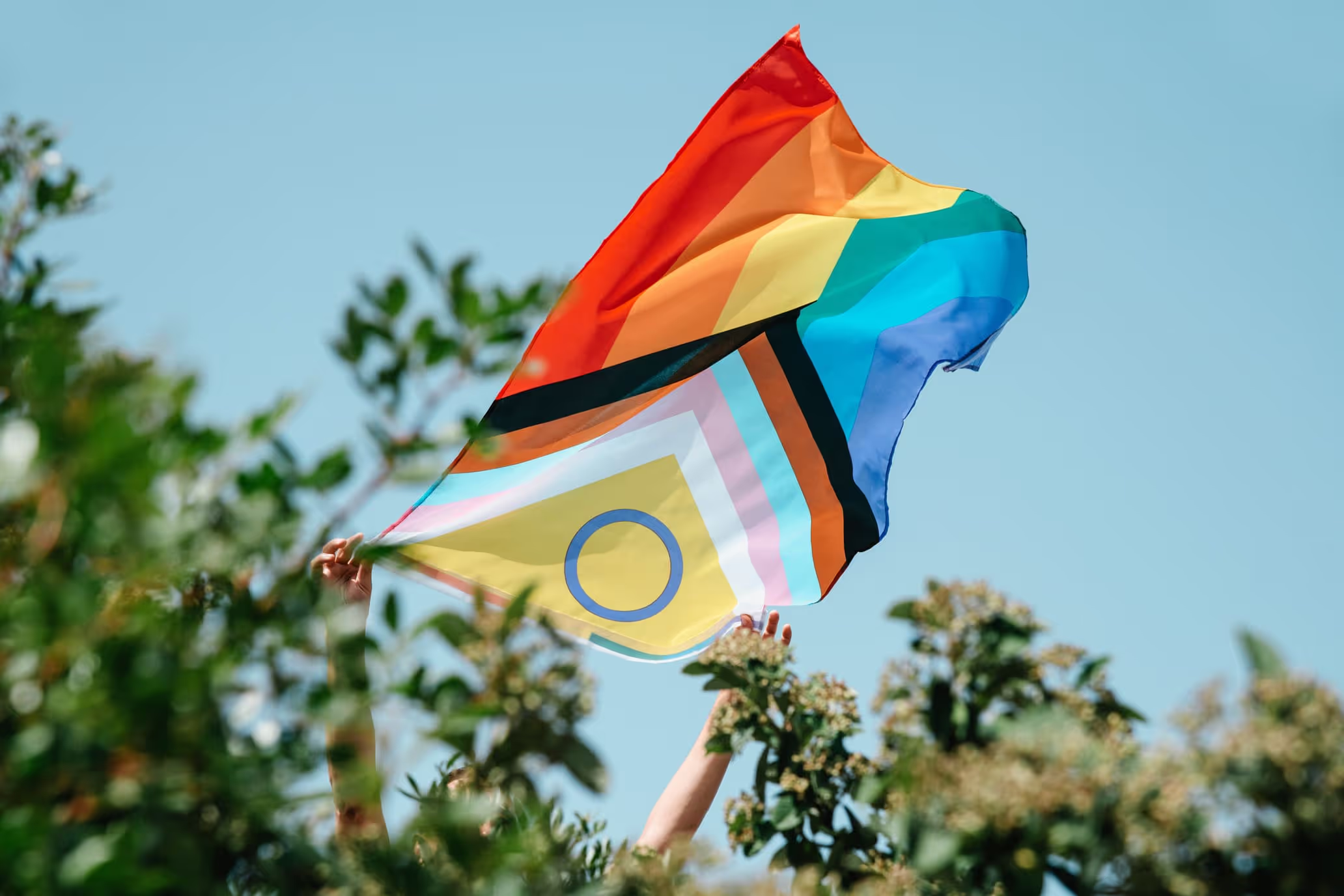
When you look at the Progress Pride flag, have you ever wondered why there are other colors in addition to the rainbow?

The combination of these colors and shapes are intended to emphasize the intersectional discrimination that uniquely affects BIPOC, trans people, intersex, and those who identify outside the gender binary. They often face targeted marginalization even within the communities that identify as LGBTQIA+ or an ally.
It’s important to recognize and intentionally consider this when talking about their lived experience, creating a safe environment, and understanding the particular barriers they face.
Don’t Skip the “T” in LGBTQ+
Real talk. As a transmasc and nonbinary nanny, I often feel like the elephant in the room.
Despite being less than 1% of the population, transgender people are faced with an intense wave of targeted discrimination and dehumanization. We often feel unwanted in spaces and this translates directly to our careers.
There are hundreds of trans and gender diverse nannies, but the sad truth is most of them stay closeted for their job or eventually leave the industry entirely, So what can you do to make space for us?
Initiate an Inclusive Space:
Many people assume that transgender people will be the first to introduce their pronouns, but this isn’t necessarily true. Being the one who initiates pronouns and the name they go by can put their safety and position at risk.
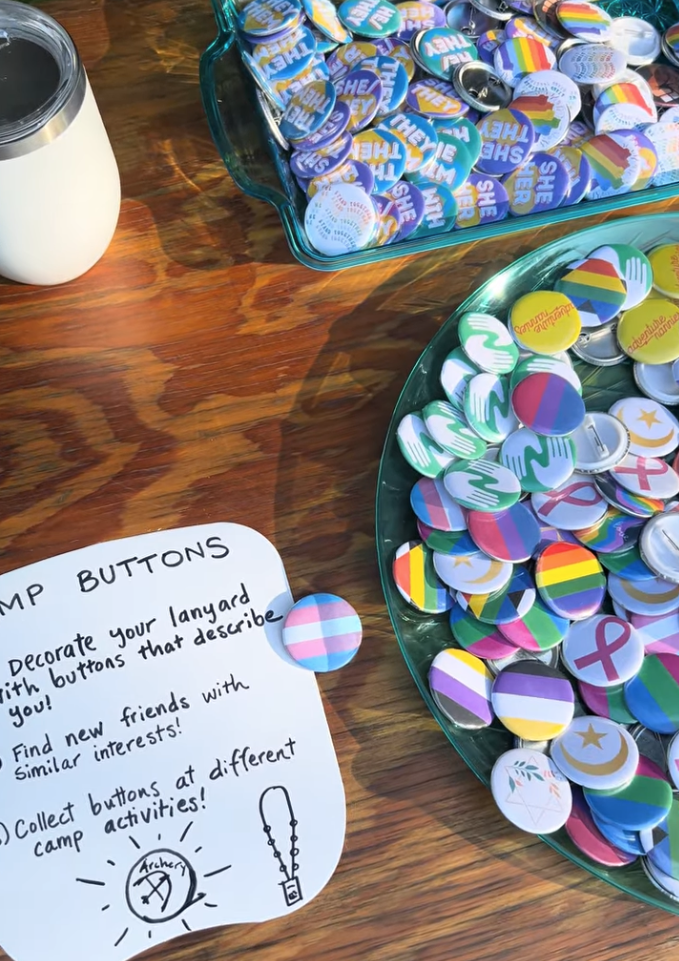
The first family that knew my true gender identity was because they asked what my pronouns were in my interview. Another family didn’t know my gender identity and that I had started physically transitioning until after almost a year of working with them. I took the risk of losing my position and relationship when I came out to them. I had the unique experience of receiving complete, life-changing support from them, but this is not the case for everyone.
If you want to be a transgender affirming person, don’t make assumptions that you’re a safe person. Make it clear.
Asking Questions:
Perhaps you’re meeting your first openly transgender nanny/manny and suddenly all the questions in the back of your brain spark to life! You're so curious and eager to learn more about their identity and how they navigate the industry as such.
Before the first thought in your mind comes out, pause and recognize that it is not their responsibility to explain their existence to you. Consider doing research on your own first and thinking to yourself: is this an appropriate question? Ask them what their boundaries are regarding what you can ask.
Action in the Absence
Allyship doesn’t end when LGBTQ+ nannies aren’t in the room.

If you are cisgender (you identify as the gender you were assigned at birth) and/or heterosexual, you hold a specific level of societal privilege. Real allyship means using that privilege to amplify marginalized voices. Privilege is a tool for allyship. Use it.
Correct when someone is misgendered, interrupt homophobic or transphobic comments, speak up on microaggressions, and challenge systemic biases.
Amplifying Voices, Not Taking Over
In the same breath, we also need to acknowledge the unintentional harm allies stumble into.
Listen to the needs and preferences they express, not the ones you assume. What kind of support are they wanting right now?
Understand the difference between public and private information. Never assume it is okay to share someone’s sexual orientation and, in some cases, their gender identity. What are their work and personal boundaries when it comes to their identity as someone in the LGBTQ+ community?
Let them control their own narrative and when/how they come out. Like many things related to social issues, this comes with nuance.
Why Correction and Repair Matter
Part of being an ally for any marginalized community is recognizing that you will occasionally make mistakes!
Corrections are a necessary part of growth, but how you handle those missteps reflects the authenticity of your allyship. If you use the wrong pronoun or make an insensitive comment, keep your apologies brief, correct yourself, actively listen, and shift the focus back to the voices of marginalized individuals.
Allyship is a verb, not a noun. It is a continuous, lifelong practice of learning, unlearning, and showing up—even when it's uncomfortable. It is a skill that is learned and fostered over time. Your efforts and intent of becoming a better ally every day for the LGBTQIA+ community is seen, appreciated, and needed.