Imagine the end of a long day is like landing a plane. Some landings are rough. You hit the tarmac with a jolt, bags fly out of the overhead bins, and everyone feels rattled. That’s the end-of-day scramble we all know: the toys are everywhere, the kids are tired and cranky, and the handoff is a blur of rushed information. The nanny feels flustered, the parent feels overwhelmed, and the kids feel the turbulence of the transition. You’ve crashed into the evening.
But what if you could have a soft landing instead? Picture a smooth, gentle touchdown. The plane glides onto the runway, everyone is calm, and you deplane feeling relaxed and ready for what’s next. Creating a predictable end-of-shift routine is how you achieve that. It’s a practice that transforms your departure from a frantic escape into a professional, graceful exit, allowing parents to begin their evening with presence and peace.
This routine isn't about adding more chores to your list. The intention is to thoughtfully wind down the day, helping everyone involved feel calm, respected, and set up for a peaceful evening.

Why a Soft Landing Works
A consistent end-of-day routine is more than just a tidy-up; it's an emotional anchor for children that has a ripple effect on the entire evening.
You might be used to coming home to an evening that starts with chaos. Parents walk into a messy play space and have to immediately switch into clean-up and damage-control mode. They’re trying to connect with their kids, but they’re distracted by the clutter and the overstimulated energy in the room. The children, feeding off the stress, are more likely to have meltdowns, resist dinner, and struggle with bedtime.
A soft landing evening, on the other hand, starts with connection. When parents walk into a reset space where children are engaged in a calm activity, the focus immediately shifts to hugs and “how was your day?” questions. That initial moment of peace sets a positive tone. Dinnertime becomes a chance to talk and share, not a battle. The wind-down to bedtime is smoother because the whole evening has been built on a foundation of calm. It’s a tangible way of saying, “Everything is okay. We’re calmly and happily finishing our day together.”
For you, the nanny, it’s about ending your workday with a sense of accomplishment and professionalism. For parents, it’s a huge mental relief. And for kids, predictability equals security.

Crafting Your End-of-Shift Ritual to Pave the Way for a Smooth Handoff
Your 15–20 Minute Soft-Landing Ritual should consist of two steps: reset the space, then settle the children. This sequence is your recipe for a seamless transition.
1) The Collaborative Reset (Tidy-Up Transition)
The goal here isn't a deep clean; it’s about resetting the primary play spaces so they’re ready for the next day. By making this a collaborative activity with the children, you signal the first step in winding down.
- Make it a Game: Frame it as a fun challenge. You could say, “Let’s see if we can put all the blocks to bed before the timer goes off!” or play a special “Clean Up” song that signals it’s time to tidy.
- Give Specific Jobs: Instead of a vague “let’s clean up,” give clear, age-appropriate tasks. For a toddler, it might be, “Can you put all the red cars in this basket?” For an older child, “You’re in charge of the craft table, and I’ll take care of the pillows and blankets.”
- Focus on Progress, Not Perfection: The goal is to leave the space better than you found it. Tackling the physical space first clears away the day's chaos, bringing a sense of calm to everyone and freeing up mental space for what comes next.
2) The Calming Anchor Activity (Handoff Window)
Once the space is reset, you introduce a low-energy activity that becomes the predictable ritual for the end of your day. This is the most crucial step for ensuring a smooth transition.
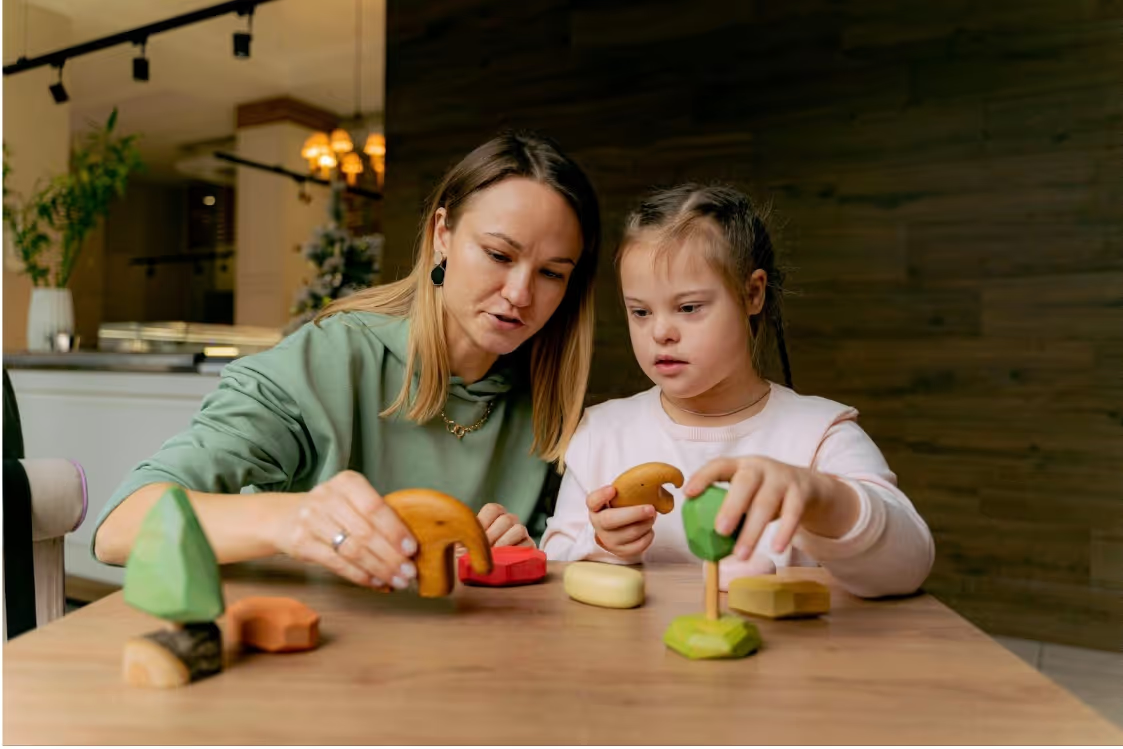
- For Toddlers: This is a perfect time for a special puzzle that only comes out at the end of the day, looking through a family photo album, or putting on a calm, quiet playlist while they look at books.
- For Preschoolers & Big Kids: This could be designated “Handoff Coloring Time” with a special coloring book, listening to an audiobook chapter, or quiet building with magnetic tiles or LEGOs.
- For Infants: This is the time to ensure the baby has a clean diaper, has been fed recently, and is content. You can set them up for a peaceful transition with some tummy time on a playmat or by snuggling and singing quiet songs.
With the children happily and safely engaged in their anchor activity, you have now created the ideal moment. This is the calm window where a parent can walk in, see that everything is under control, and you can have a focused, two-minute conversation to pass the baton without interruption. The children are happy, the space is calm, and you are ready for a seamless handoff.
A soft-landing routine gives kids predictability and security, parents a calmer start to the evening, and you a professional, confident close to your day. It’s a practice that transforms the end of the day from a moment of stress into a moment of connection, and that’s a gift for everyone.